Welcome to our website dedicated to providing information on high sugar levels, blood sugar and diabetes. In this article, we’ll cover the basics of blood sugar levels, diabetes, insulin, and how to measure blood sugar levels. The content on this page is merely an overview and we delve a lot deeper into the various topics and subtopics throughout this website.
Introduction to Blood Sugar Levels
Blood sugar, or glucose, is the primary source of energy for our body’s cells. It’s produced by the digestion of carbohydrates in the food we eat and is transported throughout the body via the bloodstream. The amount of glucose in our blood is regulated by a hormone called insulin, which is produced by the pancreas. When blood sugar levels are too high, insulin is released to help bring them back down to a healthy range.
What is Diabetes?
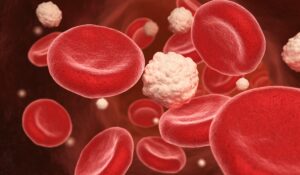
Blood cells and glucose in the vein
Diabetes is a chronic condition in which the body is unable to produce or properly use insulin, leading to high levels of glucose in the blood. There are two main types of diabetes: Type 1 and Type 2. Type 1 diabetes occurs when the body’s immune system mistakenly attacks and destroys the cells in the pancreas that produce insulin. Type 2 diabetes occurs when the body becomes resistant to the effects of insulin or is unable to produce enough insulin to maintain normal blood sugar levels.
Understanding Insulin
Insulin is a hormone produced by the pancreas that regulates blood sugar levels. When we eat carbohydrates, we break them down into glucose, which enters the bloodstream. In response, the pancreas releases insulin, which signals the cells in the body to absorb glucose from the blood and use it for energy. Insulin also helps to store excess glucose in the liver and muscles for later use.
How to Measure Blood Sugar Levels
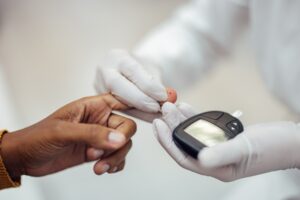
Measuring blood sugar level with blood glucose meter.
Measuring blood sugar levels is an important part of managing diabetes and maintaining overall health. The most common way to measure blood sugar levels is with a blood glucose meter. This device uses a small drop of blood obtained from a finger prick to measure the amount of glucose in the blood. The results are typically reported in milligrams per deciliter (mg/dL) or millimoles per liter (mmol/L).
Symptoms of High and Low Blood Sugar
Both high and low blood sugar levels can cause a range of symptoms that can be uncomfortable or even dangerous. Symptoms of high blood sugar, or hyperglycemia, may include frequent urination, increased thirst, blurred vision, fatigue, and headaches. If left untreated, hyperglycemia can lead to serious complications, such as diabetic ketoacidosis.
Symptoms of low blood sugar, or hypoglycemia, may include shakiness, sweating, anxiety, confusion, and dizziness. In severe cases, hypoglycemia can lead to seizures or loss of consciousness.
Understanding blood sugar levels, diabetes, insulin, and how to measure blood sugar levels is crucial for managing diabetes and maintaining overall health. By regularly monitoring blood sugar levels and working with a healthcare provider, people with diabetes can manage their condition and reduce the risk of complications.